

Investigation
Is there a US Media Blackout on Ukraine’s Successful Kinetic Sanction on Russia?
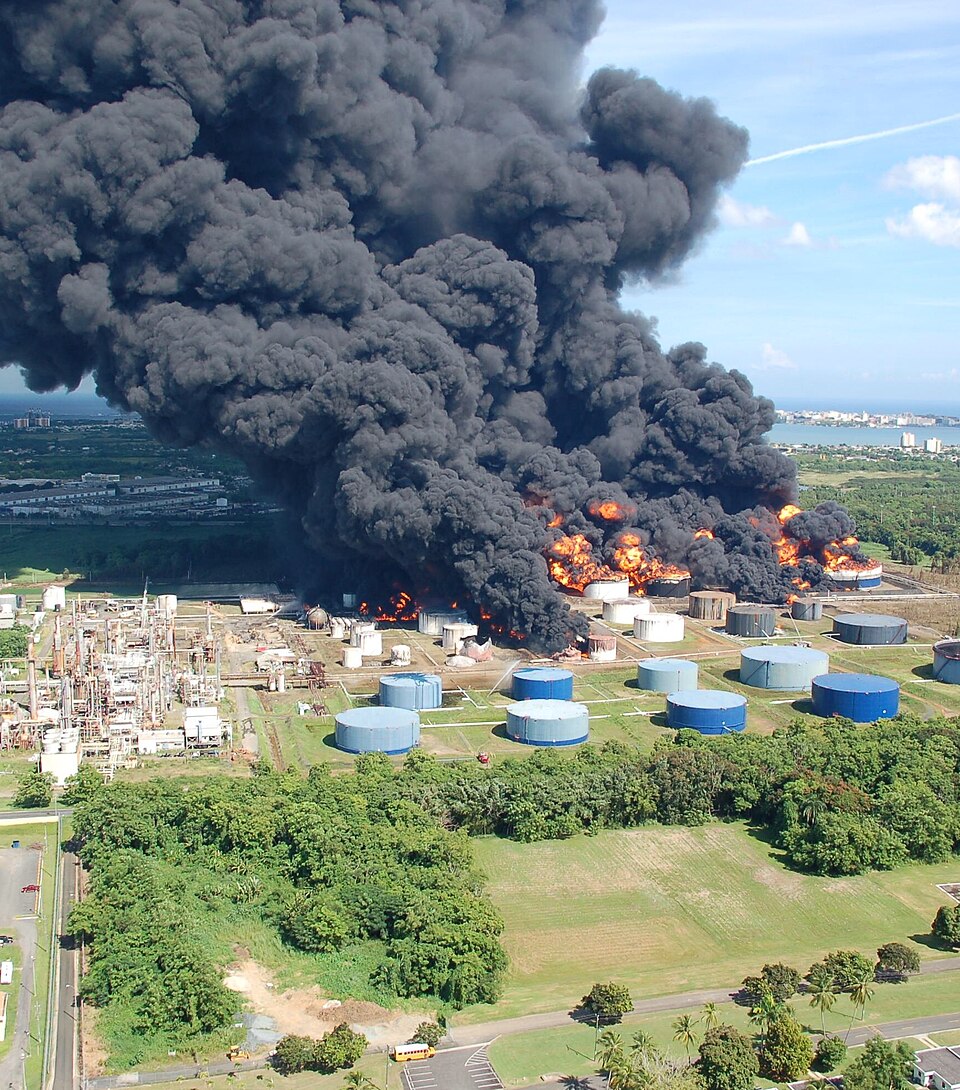
Ukraine's sustained campaign of drone strikes against Russia's energy export infrastructure has significantly crippled Moscow's oil capacity, with an estimated 40% of its export capability, or approximately 2 million barrels per day, now offline as of late March 2026. This substantial disruption, characterized by Reuters as the "most severe oil supply disruption" in modern Russian history, coincides with the Trump administration's pursuit of significant funding for a war in Iran and its decision to ease some sanctions on Russian oil. While numerous international and some U.S. media outlets have reported on these Ukrainian actions, the assertion of a complete "blackout" by major U.S. broadcast networks, specifically MS NOW (formerly MSNBC), CNN, and Fox News, regarding Ukraine's successful "kinetic sanctions" remains largely unproven, with evidence suggesting limited prominence rather than a total absence of coverage [cite: 5 (supporting research), 5 (challenging research)].
Ukrainian forces have maintained a consistent and intensifying campaign of drone strikes targeting critical Russian oil facilities throughout late March 2026. These attacks have struck key export terminals and refineries, causing significant damage and operational disruptions. Specifically, Ukrainian drones hit the Ust-Luga port and Primorsk terminals in the Baltic Sea, resulting in fires and the suspension of loadings. The Novorossiysk hub in the Black Sea has also been operating below its scheduled loading capacity since earlier drone attacks in March 2026. Further inland, Ukrainian forces struck the Kirishi Petroleum Organic Synthesis (KINEF) oil refinery in Russia's Leningrad Oblast overnight on March 26, 2026. This refinery is a strategically important target, accounting for approximately 6.6% of Russia's total oil refining capacity. The cumulative effect of these drone strikes, alongside reported pipeline damage and tanker seizures, has been substantial, leading to the estimated 40% reduction in Russia's oil export capacity.
Concurrently, the Trump administration is navigating complex geopolitical challenges that intersect with these developments. In mid-March 2026, the Pentagon asked the White House to approve a supplemental funding request exceeding $200 billion for the ongoing war in Iran, with the White House expected to seek this funding from Congress. This substantial request highlights a significant shift in U.S. strategic focus and resource allocation. Amid concerns over global oil price spikes that could be exacerbated by the Iran conflict and the effective closure of the Strait of Hormuz, the Trump administration has also eased some U.S. sanctions on Russian crude oil. This temporary license allows for the purchase and delivery of otherwise sanctioned Russian oil already loaded on vessels, an action intended to stabilize oil markets.
The claim of a "US Media Blackout" on Ukraine’s successful kinetic sanctions on Russia presents a mixed picture. While direct, prominent articles highlighting Ukraine's successful kinetic sanctions on Russian oil infrastructure from specific searches on MS NOW, CNN, and Fox News websites in late March 2026 were not immediately found, this does not definitively prove a complete "blackout" [cite: 5 (supporting research)]. Other major U.S. news outlets, such as The Washington Post, did report on Ukrainian forces targeting Russian oil terminals near St. Petersburg as a response to Russian attacks on Ukrainian cities. The Los Angeles Times also mentioned a sea drone hitting a Russian shadow fleet oil tanker. This suggests that information about these strikes was available within the broader U.S. media landscape, even if the specific framing of "successful kinetic sanctions" or highly prominent coverage by the named broadcast networks was limited [cite: 5 (supporting research)].
The assertion of a complete "blackout" is further challenged by the widespread international reporting on these events [cite: 5 (challenging research)]. News organizations such as The Moscow Times, Kyiv Post, and Euromaidan Press extensively covered Ukraine's drone campaign and its impact on Russian oil exports. The availability of this information from numerous credible sources indicates that the events themselves were not suppressed from public knowledge globally [cite: 5 (challenging research)]. Furthermore, while the initial claim mentioned Ukrainian drones targeting "Vyborg terminals," reports clarify that attacks in the Vyborg area in late March 2026 struck a Russian military icebreaker and a residential building, rather than explicitly an oil terminal. Additionally, the claim that Ukrainian drones bypassed Russian S-400 air defenses to strike the Kirishi refinery has not been credibly reported in the available evidence [cite: 5 (supporting research)].
In assessing the evidence, there is strong and consistent support for the factual claims regarding Ukraine's drone strikes and their significant impact on Russia's oil export capacity. Multiple credible sources, including Reuters calculations, corroborate the 40% reduction in export capacity, marking a critical success for Ukraine's strategy. Similarly, the Trump administration's push for over $200 billion in Iran war funding and the easing of Russian oil sanctions are well-documented by recent reports. However, the "US Media Blackout" claim, particularly concerning specific broadcast outlets like MS NOW, CNN, and Fox News, is not definitively proven as a complete absence of coverage [cite: 5 (supporting research), 5 (challenging research)]. The absence of immediate prominent results in broad searches does not equate to a total lack of reporting, and other major U.S. news organizations did cover these events [cite: 5 (supporting research), 5 (challenging research), 9, 17]. Therefore, the evidence points more towards a situation of limited or less prominent coverage of the success of these specific Ukrainian actions by certain broadcast outlets, rather than a total blackout across all major U.S. media [cite: 5 (supporting research)].
Several aspects remain unclear. A comprehensive content analysis of news broadcasts and online reporting from MS NOW, CNN, and Fox News during late March 2026 would be necessary to definitively determine the extent, prominence, and framing of their coverage of Ukrainian drone strikes on Russian oil infrastructure [cite: 5 (supporting research), 5 (challenging research)]. Additionally, while the Kirishi refinery strike is confirmed, the specific claim that Ukrainian drones bypassed Russian S-400 air defenses to achieve this strike has not been credibly reported in the available evidence [cite: 5 (supporting research)]. The precise causal links between the Trump administration's foreign policy decisions—such as the Iran war funding request or the easing of Russian oil sanctions—and the editorial choices or prominence of coverage by specific U.S. media outlets also remain speculative, lacking direct supporting evidence. While the context of a potential "Iran Distraction" or "Price Cap Conflict" could theoretically influence media narratives, direct evidence linking these policy shifts to specific editorial decisions by the named broadcast networks is not available.