

Reporting
German Right Wing Party, AfD Wins Historic Victory in Saxony-Anhalt State Election
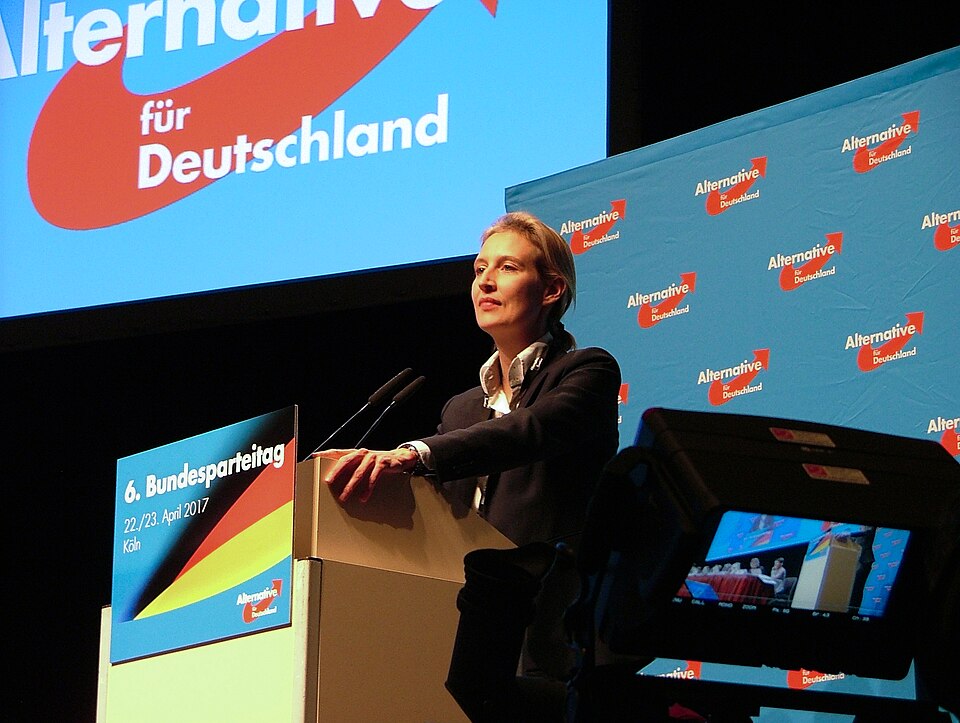
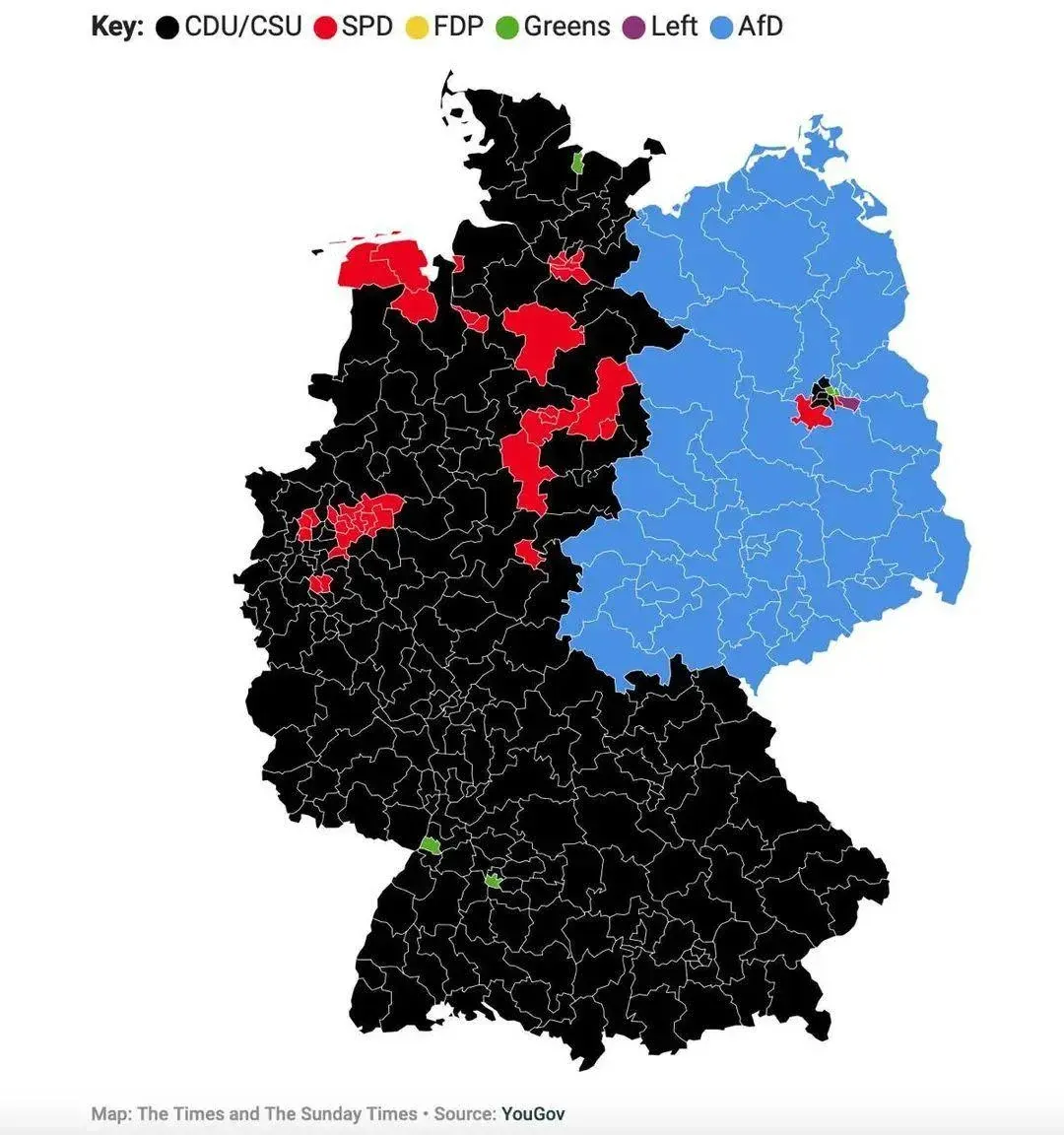
MAGDEBURG, Germany — The far-right Alternative for Germany party secured a historic victory in the Saxony-Anhalt state election on September 6, 2026, capturing 43.8% of the vote and dealing a severe blow to Chancellor Friedrich Merz’s center-right Christian Democratic Union. Official results published by the state returning officer confirmed the far-right party's share at 43.8%, securing 39 seats in the 83-member state parliament and more than doubling its 20.8% vote share from the 2021 election.
The ruling Christian Democratic Union (CDU) plummeted to 17.2% of the vote, representing a devastating collapse in support documented in public election records that has shaken the national political landscape.
Though early projections and social media reports rounded the AfD's victory to 45%, the official final tally left the party three seats short of an absolute majority, preventing it from governing alone.
The AfD campaigned on a highly controversial platform that, according to local campaign materials, includes ending Holocaust educational school trips, initiating mass deportations, banning LGBTQ+ topics in schools, and restoring economic ties with Russia. Because all mainstream political parties have pledged to maintain a "Brandmauer," or political firewall, refusing to enter into a coalition with the far right, the path to forming a stable state government remains highly uncertain as parties refuse to compromise.
Post-election demographic analysis by pollsters such as Infratest Dimap indicated that the AfD’s surge was heavily driven by economic anxiety and a collapse in trust toward federal institutions rather than actual immigration levels, which remain low in the eastern state. The party captured 61% of the vote among blue-collar workers and 57% among voters with basic education, capitalizing on regional frustrations.
The election outcome represents the strongest performance by a far-right party in a German state election since the end of World War II, prompting historians and political analysts to draw parallels to April 1932 when regional politics shifted dramatically. During that period, the Nazi Party achieved its first major regional breakthrough by winning 40.9% of the vote in the Free State of Anhalt.
Though some commentators have described this as a victory in the "same state," historical records show the state of Saxony-Anhalt did not exist in 1932, as it was first established in 1945 under Soviet military administration and later re-established in 1990 following German reunification.
The political shockwaves of the victory quickly reverberated internationally, drawing high-profile attention on social media from billionaire businessman Elon Musk. On September 6, 2026, Musk interacted with posts discussing the election on the platform X, replying "Exactly" to an account named `@Anc_Aesthetics` which asserted that the AfD is not far-right but rather a challenge to an "anti-white, anti-German coalition," as recorded in archives of the exchange, signaling high-level interest in the vote.
Musk also posted "Gut gemacht!" ("Well done!") in a direct reply to federal AfD co-leader Alice Weidel, prompting the AfD state leader in Saxony-Anhalt, Ulrich Siegmund, to publicly thank Musk on X and suggest the possibility of deeper economic cooperation.
The reaction was far more hostile in neighboring Poland, where Prime Minister Donald Tusk issued a sharp condemnation of Polish far-right opposition figures who celebrated the German election results. Writing on X, Tusk declared that "only idiots or traitors" in Poland could rejoice at the triumph of the AfD, pointing to the party's historical revisionism and pro-Russian foreign policy stance.
This regional far-right mobilization coincided with nationalist demonstrations elsewhere in Europe, including a large march advocating for the "remigration" of non-Western immigrants in Copenhagen, Denmark, on September 5, 2026. The demonstration turned violent as participants clashed with left-wing counter-protesters, prompting police intervention and drawing widespread condemnation after several demonstrators were filmed giving Nazi salutes.
While early international news reports initially attributed the organization of the violent protest to the "Danish People" party, local reporting clarified that the march was actually organized by a fringe, extra-parliamentary nationalist group called "Det Danske Folk" (The Danish People), which is entirely distinct from the established, mainstream right-wing populist political party known as the Danish People's Party.
In a direct effort to counter the AfD's growing momentum, Chancellor Friedrich Merz's party is preparing a significant policy shift regarding immigration and integration. Senior CDU lawmaker Günter Krings confirmed to reporters that the party is drafting stricter citizenship rules to win back conservative voters, including proposals to repeal the 2024 dual citizenship reform, require higher language proficiency, demand proof of complete financial independence, and enforce strict checks for antisemitic attitudes before granting citizenship.
As the AfD celebrates its regional victory, critics continue to target the party's federal leadership, pointing to stark contradictions between its official platform and the personal lives of its top figures. Federal co-leader Alice Weidel campaigns on a platform of strict anti-immigration, traditional family structures, and opposition to LGBTQ+ rights, yet biographical profiles confirm that Weidel is an openly lesbian woman who maintains her primary residence in Switzerland.
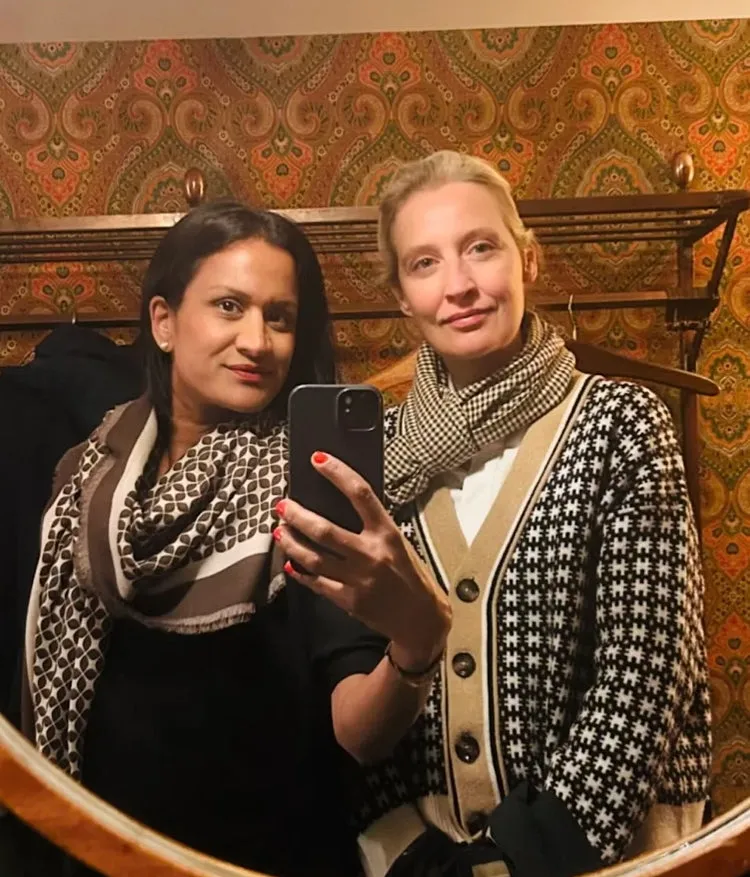
She is raising two adopted children with her partner, Sarah Bossard, a Swiss film producer who was adopted from Sri Lanka, creating a personal contrast that political analysts note AfD voters have largely chosen to overlook.
The Saxony-Anhalt state parliament is expected to convene in the coming weeks to begin formal coalition talks, as mainstream parties attempt to negotiate a governing majority that bypasses the AfD before the legislature officially seats its members.