

Reporting
Ukraine unveils domestic Corral anti-ballistic missile interceptor — Military Update, September 9, 2026
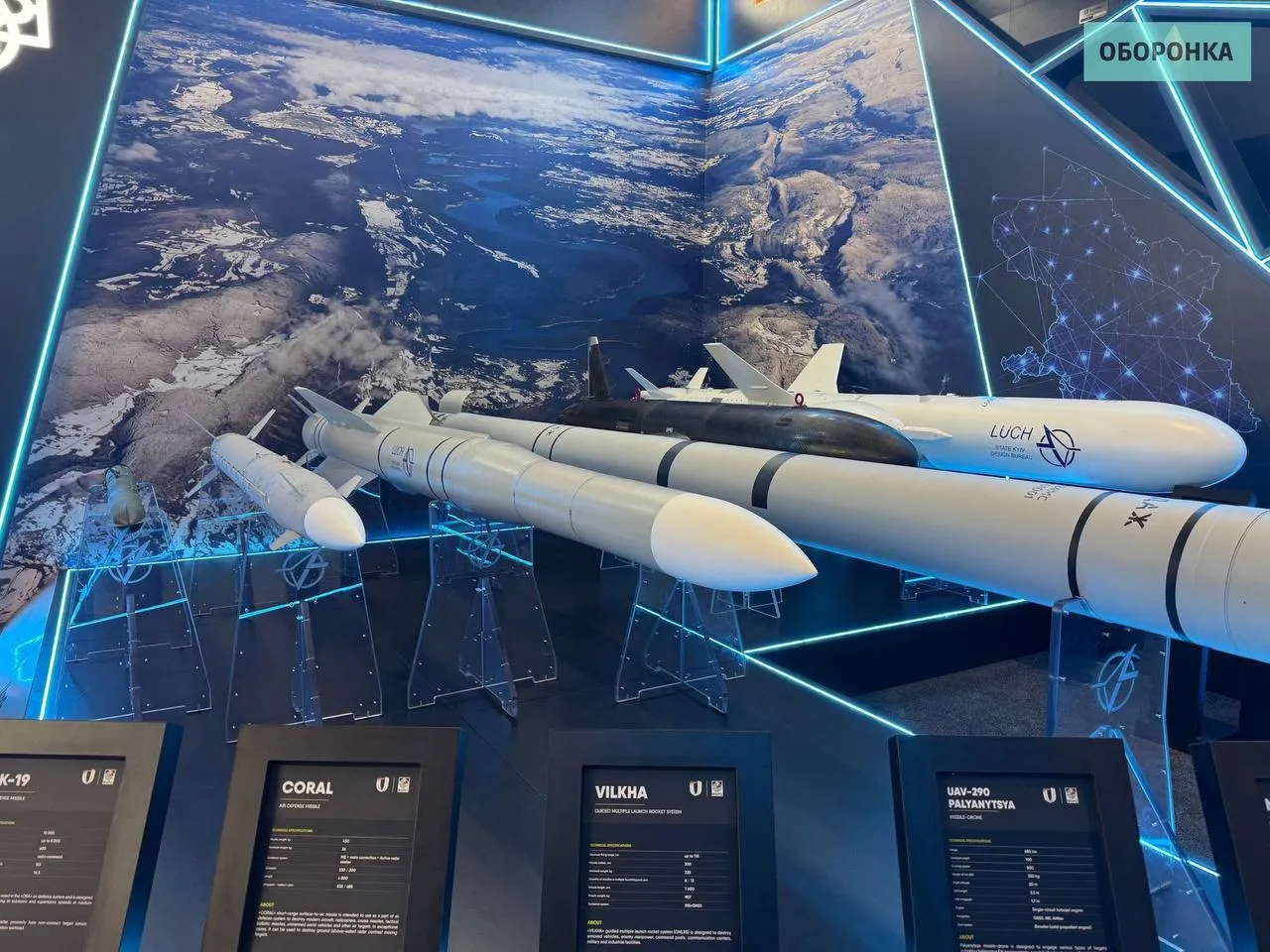
KIELCE, Poland — Ukraine displayed a wave of new domestic weaponry alongside major European and British funding packages at the MSPO 2026 defense exhibition this week, marking a concerted push to secure its airspace and ground forces ahead of expected winter campaigns. The multi-front industrial rollout, which took place from September 1 to September 4, 2026, featured the debut of the Koral air defense system launcher, a new heavy infantry fighting vehicle design, and emergency regulatory shifts in Brussels to expedite American missile purchases.
Domestic Armor and Air Defense Debuts at MSPO 2026
At the exhibition floor in Kielce, the Ukrainian state defense conglomerate Ukroboronprom showcased the physical launcher for its Koral surface-to-air missile system, which Ukrainska Pravda reported was displayed publicly for the first time. The system is mounted on a heavy Czech Tatra 8x8 truck chassis and is designed to intercept both aerodynamic and ballistic targets, according to technical specifications published by United24 Media. However, military experts writing for Euromaidan Press pointed out that the Koral lacks the gas-dynamic control surfaces and "hit-to-kill" technology of the Patriot PAC-3, functioning more closely to the older Patriot PAC-2 tier.
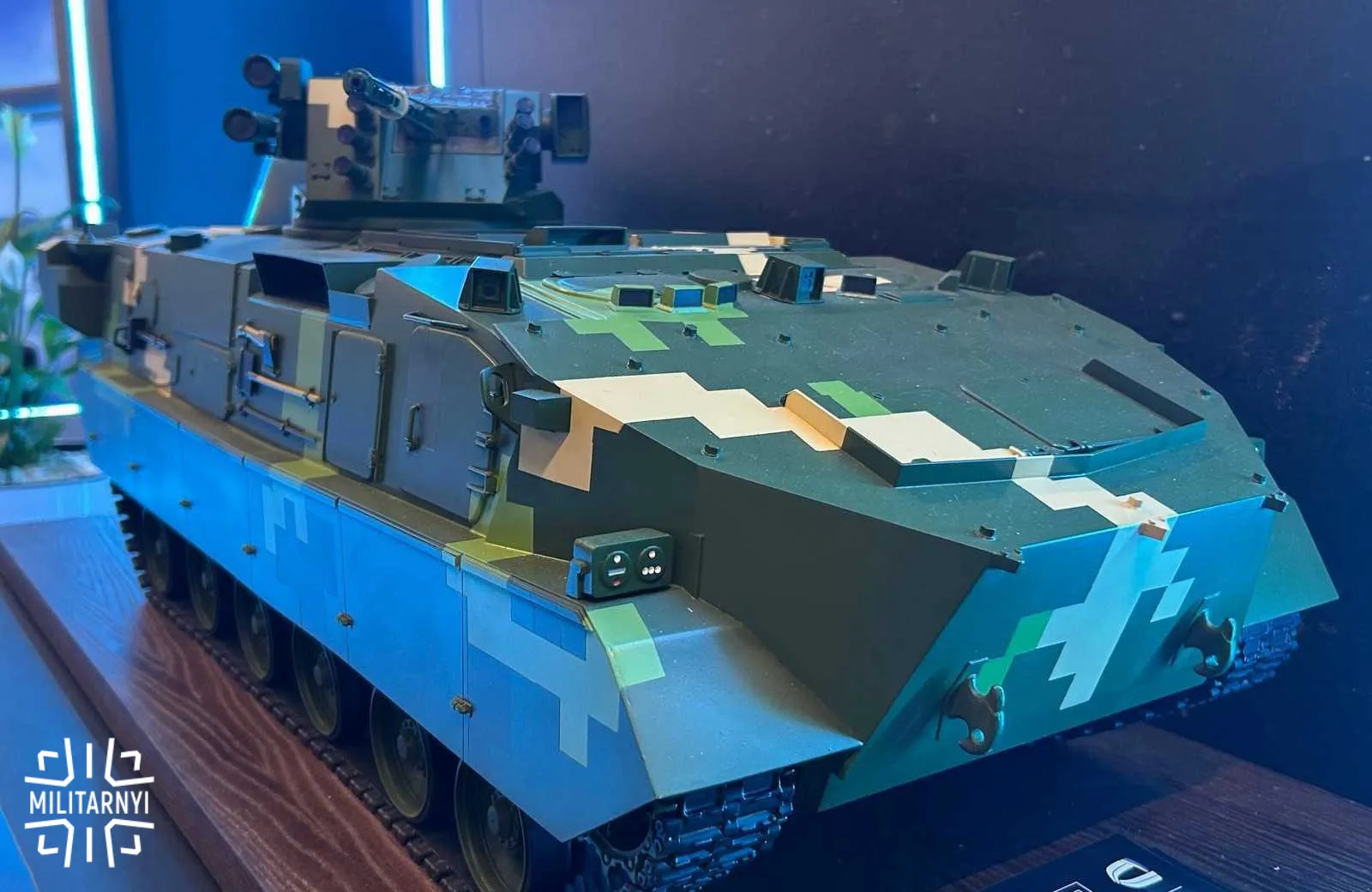
Alongside the air defense system, the Kharkiv Morozov Machine Building Design Bureau presented a physical mock-up of its new 35-ton Pegas tracked infantry fighting vehicle, as detailed by United24 Media. The heavy armored vehicle is designed to operate in temperatures ranging from -40°C to +50°C and features a top speed of 70 km/h, though Defense Express noted that the platform is currently a design concept rather than a production-ready vehicle.
On the unmanned systems front, domestic manufacturer Ukrspecsystems—erroneously transcribed in early promotional materials as "UK Spec Systems"—unveiled its upgraded RAM-2X loitering munition, which Ukrainska Pravda reported features an X-wing design and an operational range of 180 kilometers. The company released declassified combat footage confirming that RAM-series drones have already struck more than 450 Russian targets.
Western Funding and the Patriot Procurement Shift
To support immediate frontline defenses, European Commission President Ursula von der Leyen welcomed a new €3.2 billion disbursement under the Ukraine Support Loan program. This financial support is paired with a separate £100 million winter air defense package announced by UK Defence Secretary Wes Streeting, which will supply Patriot missiles and artillery rounds through NATO's Prioritised Ukraine Requirements List initiative.
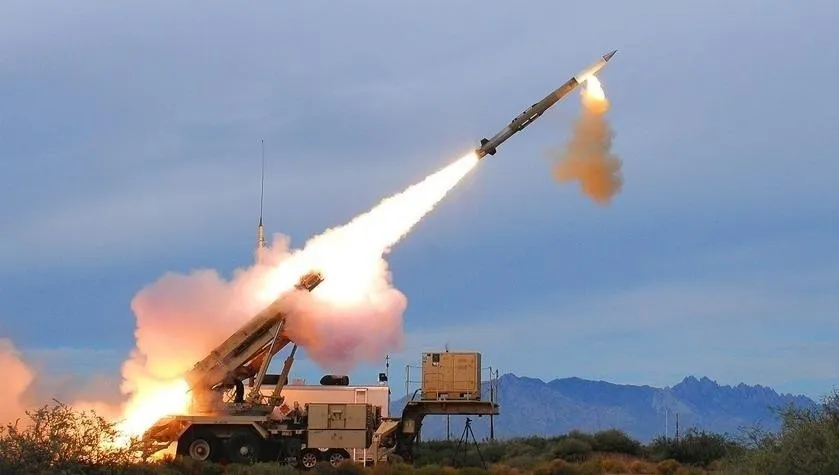
To speed up procurement, the European Commission approved a regulatory derogation allowing Ukraine to spend €3.2 billion of its loan funds directly on US-made Patriot PAC-3 interceptors, bypassing standard "Buy European" preference rules. This emergency measure was cleared on September 7, 2026, just four days after Kyiv submitted its formal request.
Low-Cost Interceptors and Jet Drone Production
The Koral system has been under development by the Kyiv-based KB Luch design bureau since 2016, aiming to establish a family of domestic air defense systems. To address more immediate, low-cost threats, KB Luch also developed the RK-19 surface-to-air missile, which is designed to be integrated into legacy Soviet-era Osa-AKM air defense systems. This missile is specifically optimized to intercept Russian S8000 Banderol jet-powered drone-missiles, which cost approximately $100,000 each, according to UNN.
These domestic air defense and armored vehicle initiatives come as Ukrainian forces adapt to operational setbacks with Western heavy armor. A report by Military Watch Magazine detailed that Ukrainian crews have operated US-supplied M1A1 Abrams tanks far from the frontlines due to extreme vulnerability to Russian drone strikes, high fuel consumption, and severe maintenance difficulties. To mitigate these vulnerabilities, Ukrainian forces have modified the tanks with explosive reactive armor and modular anti-drone cages, including a new "Lucifer" configuration, to improve survivability against aerial threats.

To close the gap with Russia's jet-powered drone capabilities, a new Ukraine-Europe joint venture based in Germany is starting operations in September 2026 to manufacture the Bars jet-powered attack drone. The Bars drone features a range of up to 1,000 kilometers and speeds exceeding 700 km/h, though Defense Express reported that developers admit scaling production is currently limited by a global shortage of small turbojet engines.
The first European-manufactured Bars jet drones are scheduled for delivery to Ukrainian forces [by October 10, 2026](