

Reporting
Latest on the Ukraine War — September 2, 2026
KYIV — A sharp escalation in the airspace conflict between Ukraine and Russia on September 1, 2026, has triggered a cascade of military, financial, and structural shifts across both warring nations. While President Volodymyr Zelensky warned international airlines that Russian airspace is no longer safe due to incoming drone strikes, Russian President Vladimir Putin rejected negotiations and threatened massive winter strikes against Ukraine's energy grid. To sustain its defense, the Ukrainian government has enacted a strict 70 billion hryvnia austerity program and formally requested that the Netherlands front-load €2 billion in military aid. Simultaneously, former Ukrainian digital minister Mykhailo Fedorov has partnered with Palantir CEO Alex Karp to launch a new private defense technology venture, following the administrative dismissal of strategic adviser Oleksandr Kamyshin. These high-level maneuvers coincided with the start of the academic school year, which saw Ukrainian children evacuating to bomb shelters while Russian schools integrated drone piloting into their standard curricula.
Airspace Warnings and Retaliatory Grid Strikes
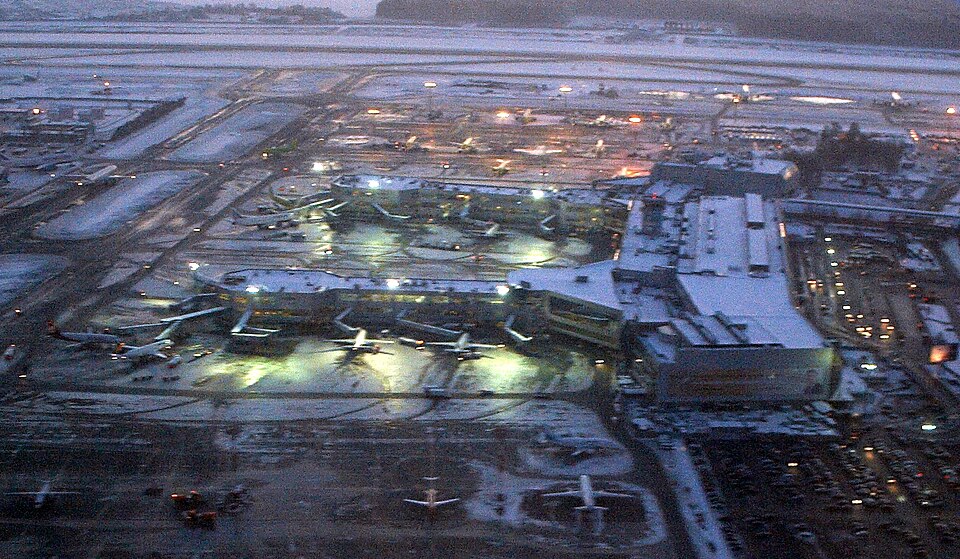
This critical escalation in the skies began with a direct warning from Kyiv. In a televised address, President Zelensky declared that the "safe days in Russia's skies are over" and warned foreign airlines and insurers that Russian airspace is becoming completely dangerous. Although Western airlines have avoided Russian skies since 2022, the warning directly pressures non-Western carriers, such as Chinese, Gulf, and Turkish airlines, that continue to operate routes over Russia. Following the announcement, Turkish Airlines began turning back several Moscow-bound flights, according to reports from Turkish aviation monitors.
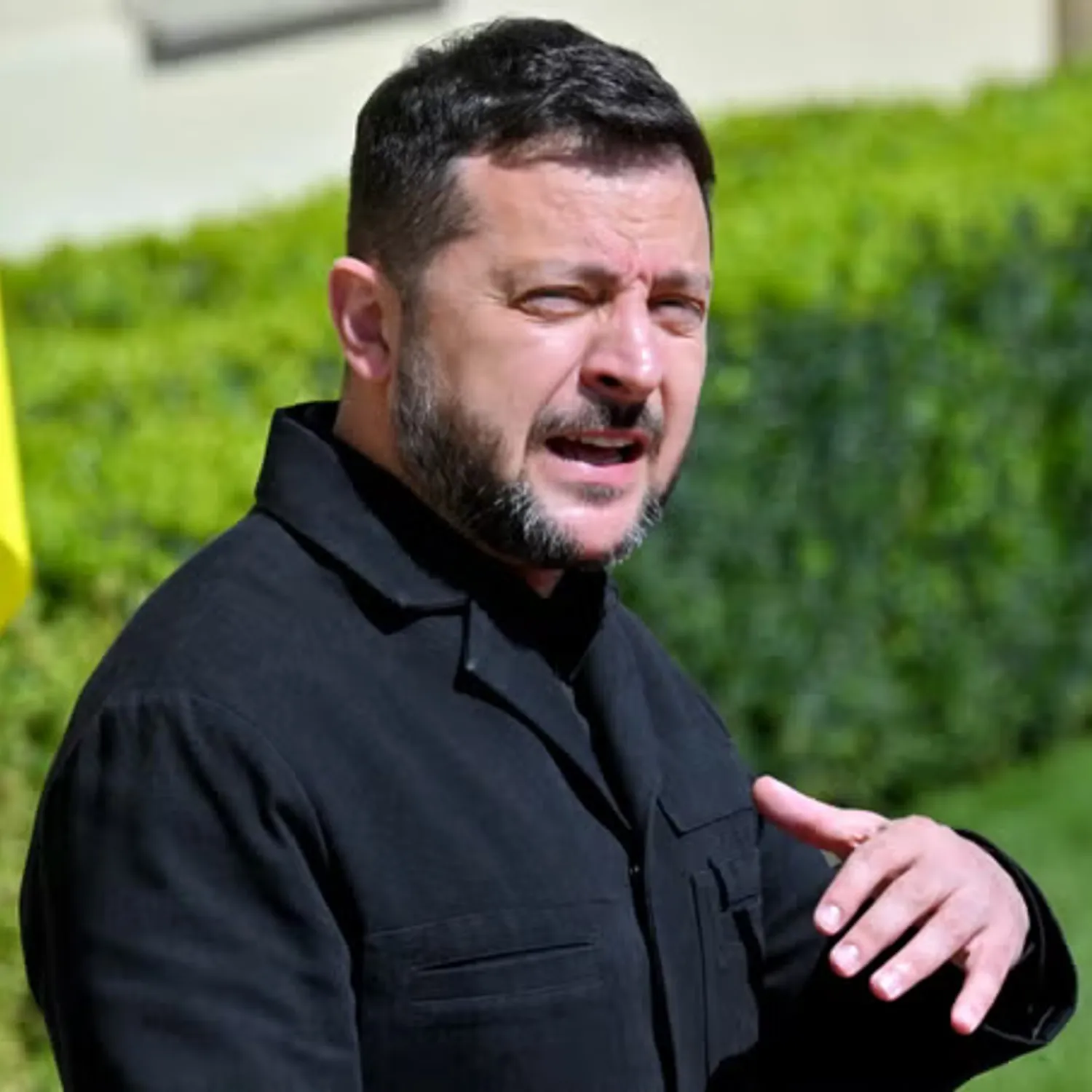
Putin responded from the Shanghai Cooperation Organisation summit in Bishkek, branding Zelensky's warning a "declaration of state terrorism" and ruling out any future peace negotiations. The Russian leader confirmed he has ordered massive winter strikes on Ukraine's energy grid in retaliation for Kyiv's drone campaign against Russian oil refineries. Putin also estimated that a 40-day Ukrainian strike campaign against shipping and infrastructure had inflicted damage equivalent to roughly 1 percent of Russia's gross domestic product.
Ukraine Imposes Austerity and Seeks Accelerated European Aid
To sustain its military operations under the weight of these escalating airspace threats and infrastructure damage, the Ukrainian government has enacted a strict domestic austerity program. Ukrainian Prime Minister Sergii Koretskyi announced that non-defense spending cuts have successfully freed up 70 billion hryvnia, equivalent to approximately $1.6 billion. Public sector salaries and pensions will remain fully funded despite the budget tightening, the prime minister emphasized.
The financial strain has also prompted Kyiv to seek accelerated foreign assistance. Ukraine's Ambassador to the Netherlands, Andrii Kostin, formally requested that the Dutch government front-load €2 billion in previously pledged military aid. This capital injection is intended to expedite the purchase of Patriot air defense missiles and drone interceptors to counter the anticipated Russian winter bombardment of civilian power grids.
Former Digital Chief Launches Palantir-Backed Miltech Startup
As the state budget tightens and public funds are redirected, Ukraine is increasingly leveraging private-sector defense technology partnerships to maintain its qualitative edge. Former Ukrainian digital minister Mykhailo Fedorov, who was removed from his government post in July 2026, announced the launch of a new private defense technology company. The venture is backed by Palantir Technologies CEO Alex Karp, who met with Fedorov in Washington to finalize his role as the lead investor.
Former Minister of Defense Mykhailo Fedorov announced plans to create a Ukrainian defense tech company, with Palantir CEO Alex Karp set to become its first lead investor. Fedorov said the project is intended to strengthen Ukraine and contribute to a safer future. Details have not yet been disclosed.
— NOELREPORTS (@noelreports.com) View on Bluesky
The startup intends to package and export software and hardware innovations refined on the Ukrainian battlefield to allied nations, corporate briefings indicated. This development deepens the integration of Western data analytics firms into Ukraine's defense ecosystem, where Palantir software is already used extensively for targeting and intelligence operations.
Zelensky Reshuffles Strategic Advisory Staff
In tandem with these defense-tech developments, President Zelensky has continued to restructure his inner circle of strategic advisers. Under Presidential Decree No. 844/2026, Oleksandr Kamyshin was formally relieved of his duties as a freelance adviser on strategic issues. Kamyshin, who earned widespread praise early in the war for keeping Ukraine's national railway system operational, had previously transitioned to overseeing strategic industries before taking the advisory role.
The dismissal is characterized as an administrative transition rather than a punitive removal. Writing on Telegram, Kamyshin confirmed his departure and stated he will remain active in the defense sector, focusing on securing foreign investments and building international manufacturing partnerships.
Contrasting Educational Realities on Knowledge Day
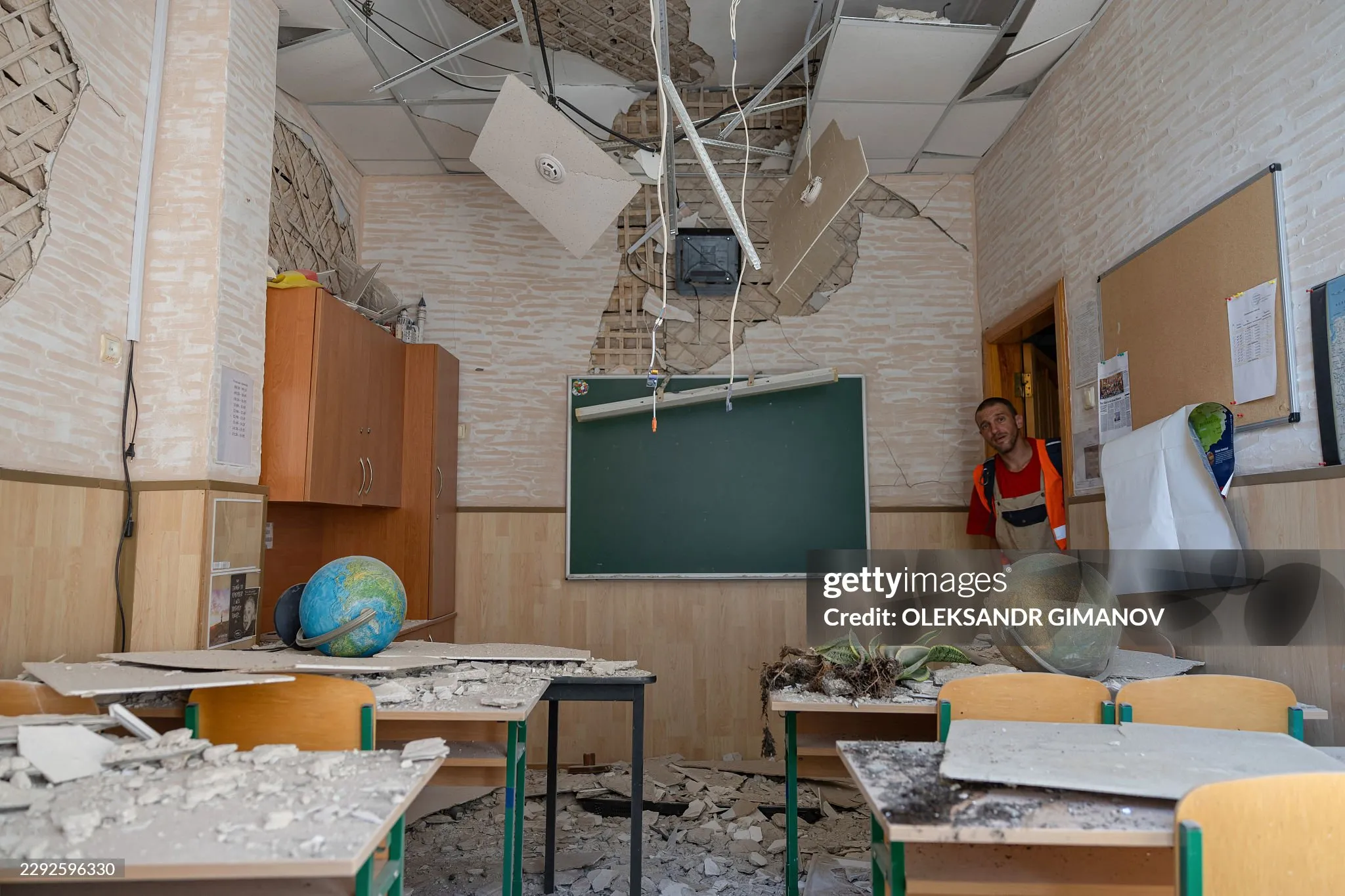
The systemic militarization and administrative shifts seen in both governments were visibly reflected on September 1, 2026, as millions of children marked the traditional start of the academic school year. In Ukraine, students returned to classrooms facing damaged school infrastructure, lost textbooks, and the persistent threat of air strikes, local news outlets reported. During a presidential visit to a newly rebuilt lyceum in the Kyiv region, President Zelensky and attending students were forced to evacuate to a bomb shelter mid-ceremony due to an active air raid siren.
Across the border, Russian schools celebrated "Knowledge Day" by formally integrating state-sponsored military training into the national curriculum. Under the new guidelines, Russian students are receiving instruction in drone assembly, piloting, and basic battlefield skills. In Vladivostok, School No. 61 drew public attention by ordering students to wear uniform patches depicting a flying drone alongside the school's identification number.
Background and Next Steps
The current escalation follows a series of major structural shifts in Ukraine's leadership. In July 2026, a sweeping government reorganization resulted in Sergii Koretskyi assuming the role of Prime Minister and the removal of Mykhailo Fedorov from his post as Defense Minister. These leadership changes occurred as Ukraine faced severe fiscal strain from continuous Russian strikes on its power grid, forcing the administration to seek alternative funding mechanisms and deeper private-sector defense partnerships. Meanwhile, Russia has steadily intensified its domestic war footing, expanding military training in schools and increasing security measures for its leadership.
The immediate focus now shifts to how international aviation insurers respond to Zelensky's airspace warnings and whether they will adjust war-risk premiums for flights operating over Russian territory, which remains a critical point of contention. Meanwhile, the Dutch Parliament is expected to review Kyiv's urgent request for the front-loaded €2 billion aid package as winter approaches and energy grid vulnerabilities mount.