

Reporting
Russia Deepens Military Cooperation With Iran Amid US Tensions
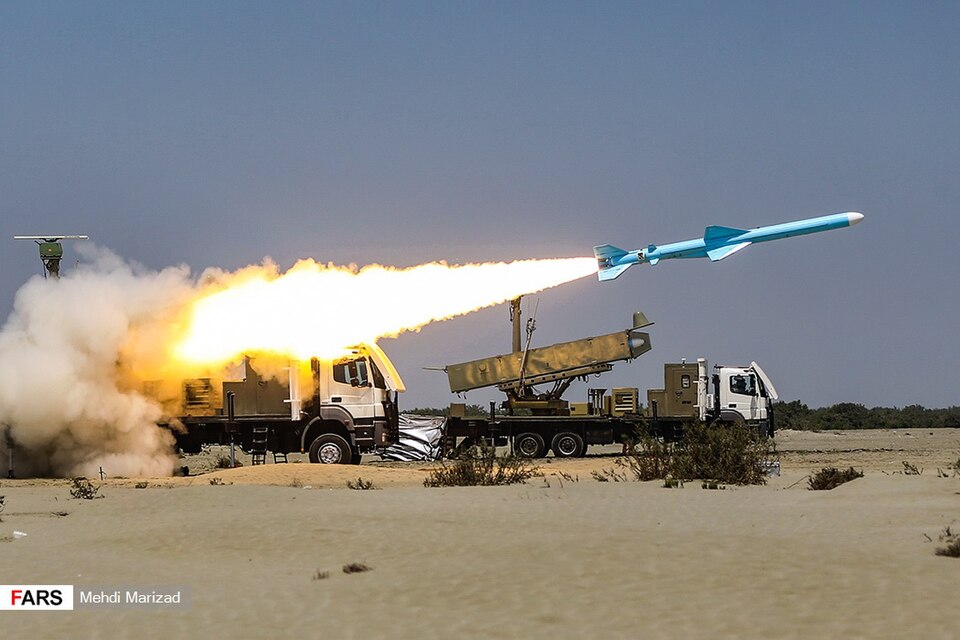
BISHKEK, Kyrgyzstan — Russian President Vladimir Putin and Iranian President Masoud Pezeshkian met on September 1, 2026, at the Shanghai Cooperation Organisation (SCO) summit to pledge joint resistance against Western sanctions, coinciding with leaked details of a covert military-technical partnership between the two nations.
During the bilateral summit, Pezeshkian thanked Putin for Russia's stance on regional conflicts, The Jerusalem Post reported. The Iranian leader emphasized that their combined efforts would neutralize Western economic pressure and resist US "unilateralism."
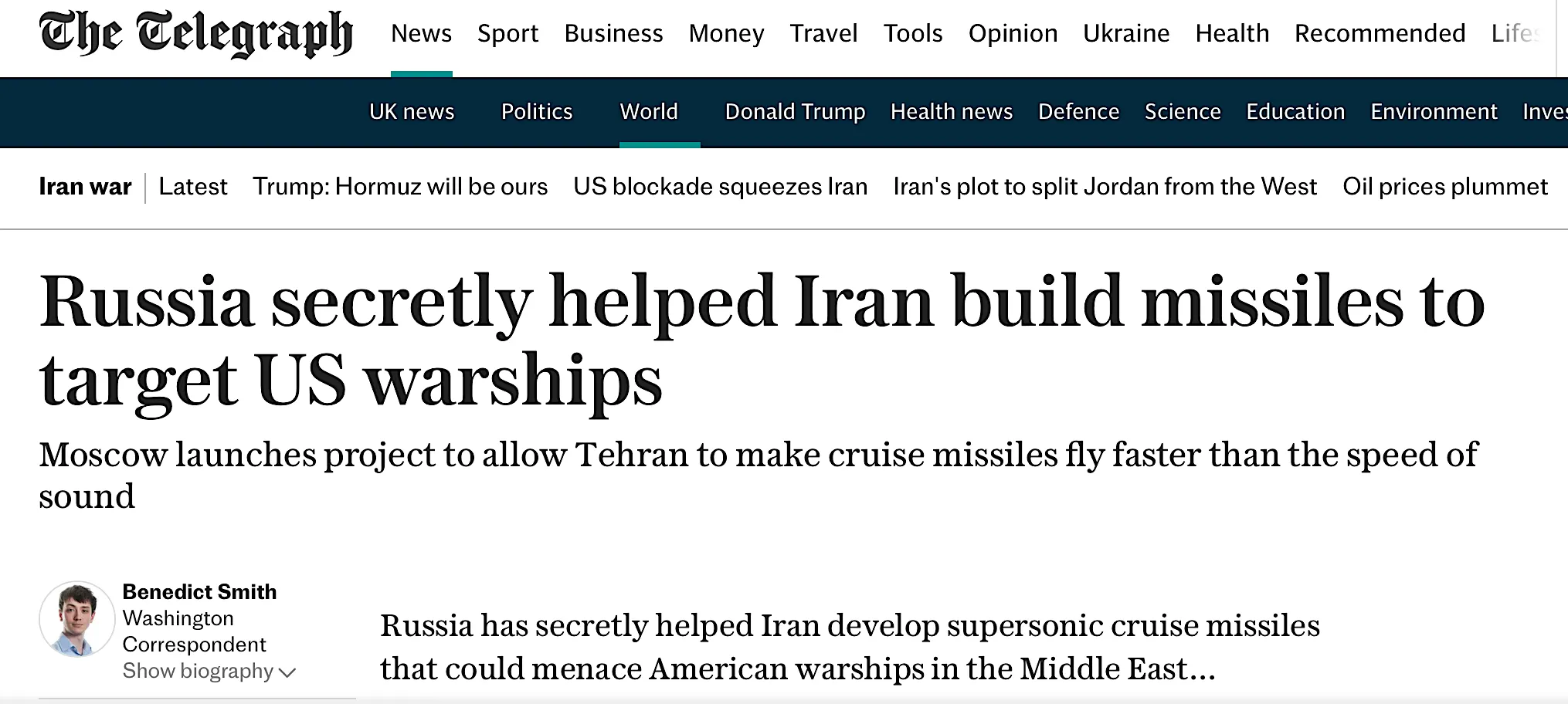
Iranian leadership met with Putin in Bishkek — as the news came out that Russia is secretly helping Iran to develop supersonic cruise missiles.
— Olga Nesterova (@onestpress.onestnetwork.com) View on Bluesky
Official readouts from the Kremlin and coverage by The Washington Post indicated that the discussions focused heavily on establishing alternative trade routes and securing essential goods to bypass unilateral US sanctions.
During the same summit in Bishkek, Putin dismissed growing domestic speculation about a new wave of military mobilization in Russia following the upcoming State Duma elections. When questioned by a local reporter, the Russian president called the rumors "complete nonsense" and characterized them as an "information attack against Russia," according to Ukrainian media coverage of the press conference.
Parallel to these diplomatic talks, an investigation published by the Financial Times revealed that Russian state arms exporter Rosoboronexport and rocket design organization NPO Mashinostroyenia have been secretly assisting Iran under a program codenamed "Project C430L." Documents obtained by reporters show that Russian engineers made multiple secret visits to Iran to help redesign ramjet engines, which are critical for manufacturing high-speed, supersonic anti-ship and land-attack cruise missiles.
These technical teams analyzed flight-test telemetry provided by Iranian forces, as The Times of Israel detailed The engineers advised on critical engineering bottlenecks, including fuel systems, air intake design, and combustion stability.
Despite the depth of this technical collaboration, defense analysts writing for SpecialEurasia note that the program remains in its developmental stages. The Maritime Executive reported that there is currently no evidence that a Russian-assisted supersonic cruise missile has been fully built or deployed for operational service by Iranian forces.
The revelations come during a period of heightened friction between Washington and Tehran. In social media posts, Iranian officials have actively trolled the United States over its economic threats, with some accounts posting memes mocking American diplomatic efforts. The Trump administration has reportedly weighed further energy sanctions, though analysts suggest Washington remains cautious about moves that could drive global energy prices higher before the upcoming elections.
This defense partnership represents a significant escalation in the strategic alliance between Moscow and Tehran, which has deepened since the outbreak of the war in Ukraine. An analysis by Atalayar suggests the underlying military-technical transfers under Project C430L point to a long-term security alignment designed to challenge US naval dominance in the Middle East.
Both nations are expected to finalize further bilateral trade and security agreements in the coming months as they continue to integrate their defense industrial bases.